
Featured articles
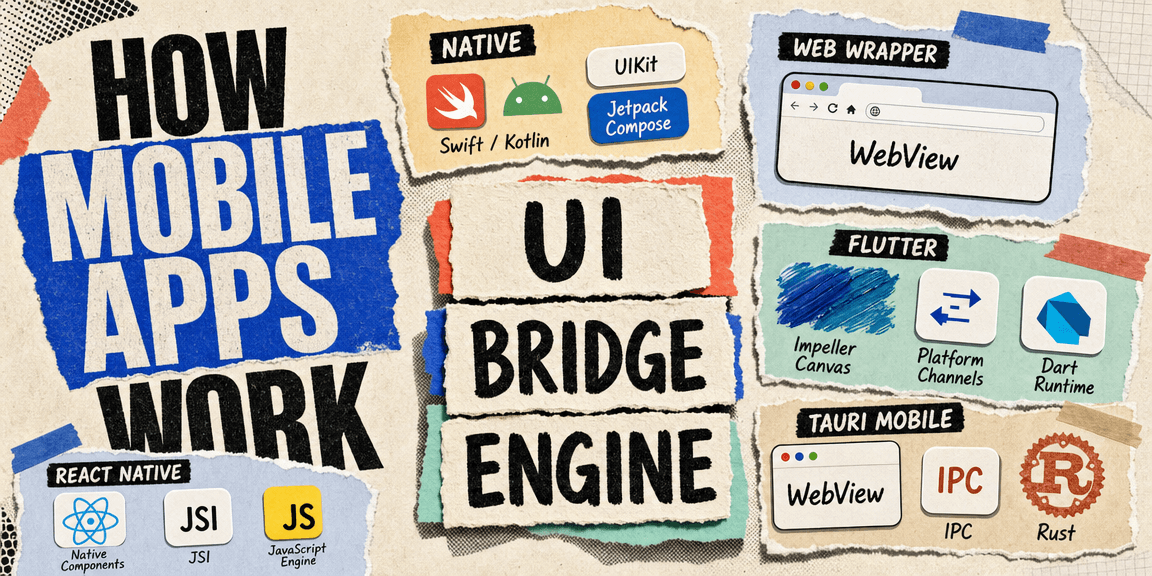
How Mobile Apps Work
The three ways to build a mobile app, what each one actually runs under the hood, and the shared architecture pattern behind React Native, Flutter, and Tauri mobile.
![Meet Tauri [2.0]](/_next/image?url=%2Fthumbnails%2Ftauri-guide.png&w=3840&q=75)
Meet Tauri [2.0]
How Tauri builds desktop apps from web technologies, where it puts the trust boundary compared to Electron, and the mindset shift from a website in a window to a native application.
Latest articles
01-09 / 18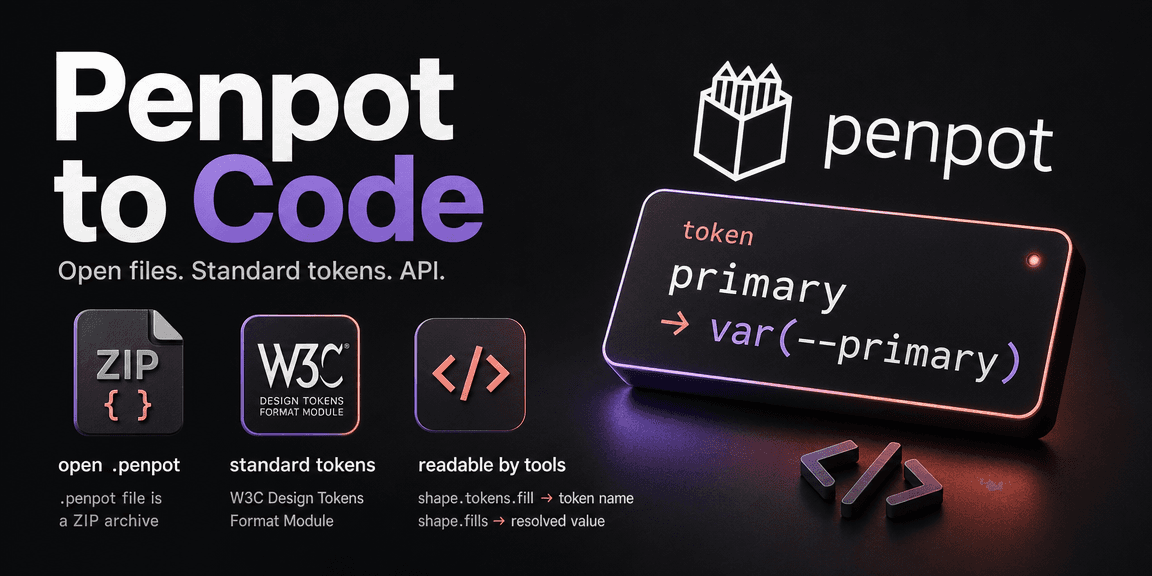
Penpot and Design to Code
An intro to Penpot as a design tool, and how its open file format, token model, and plugin API make design-to-code a first-class workflow instead of a handoff.
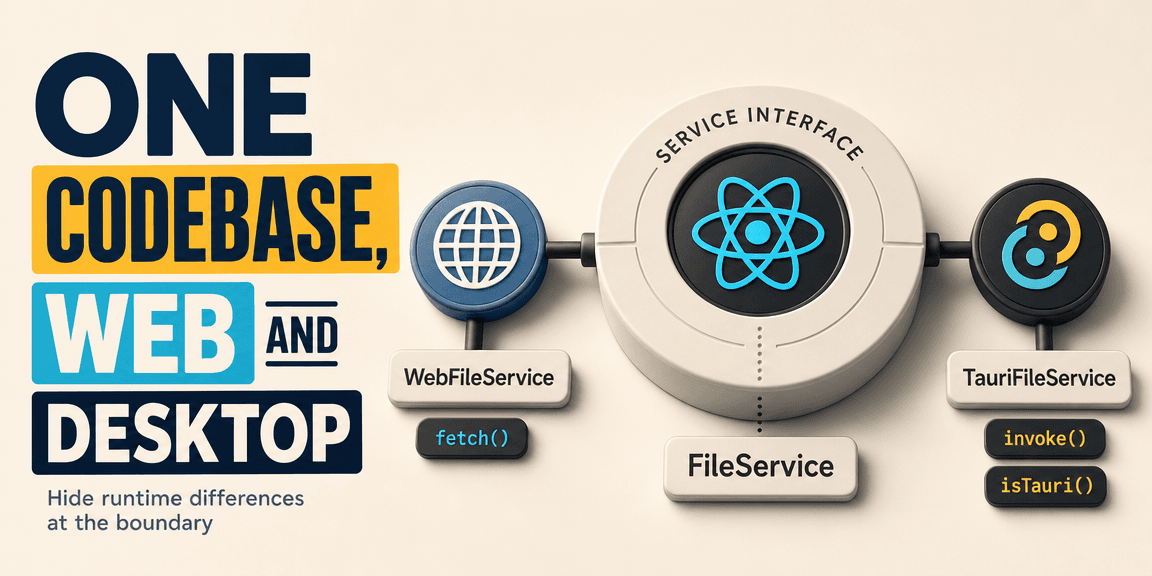
One Codebase, Web and Desktop
How to design a Tauri app so the same React code runs in the browser and on the desktop, by putting the runtime differences behind a service interface.
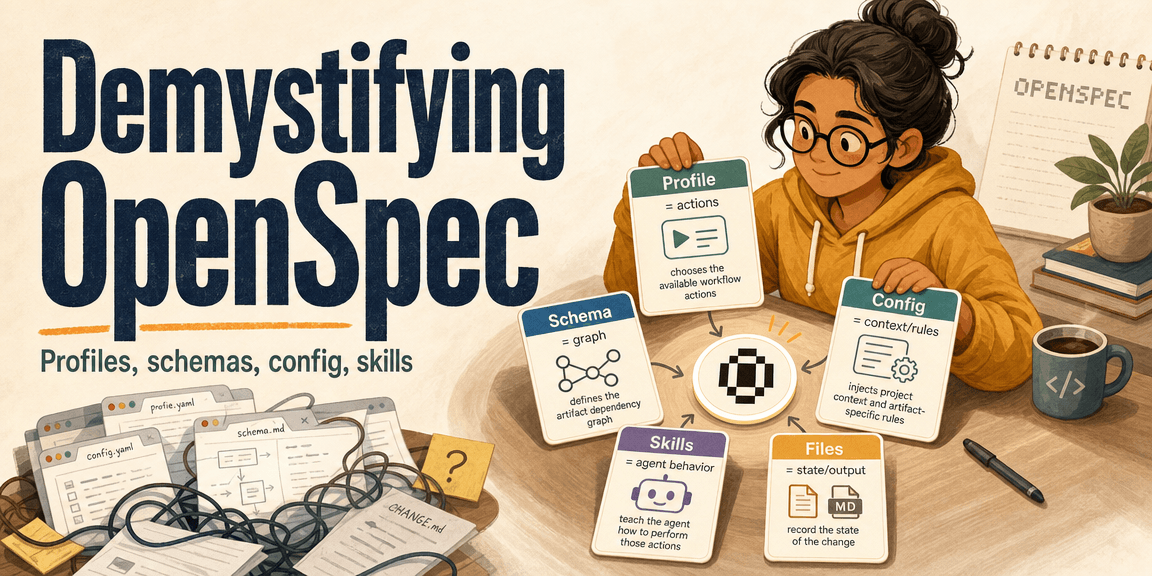
Demystifying OpenSpec
OpenSpec profiles, schemas, artifacts, config, skills, and delta specs, explained simply.
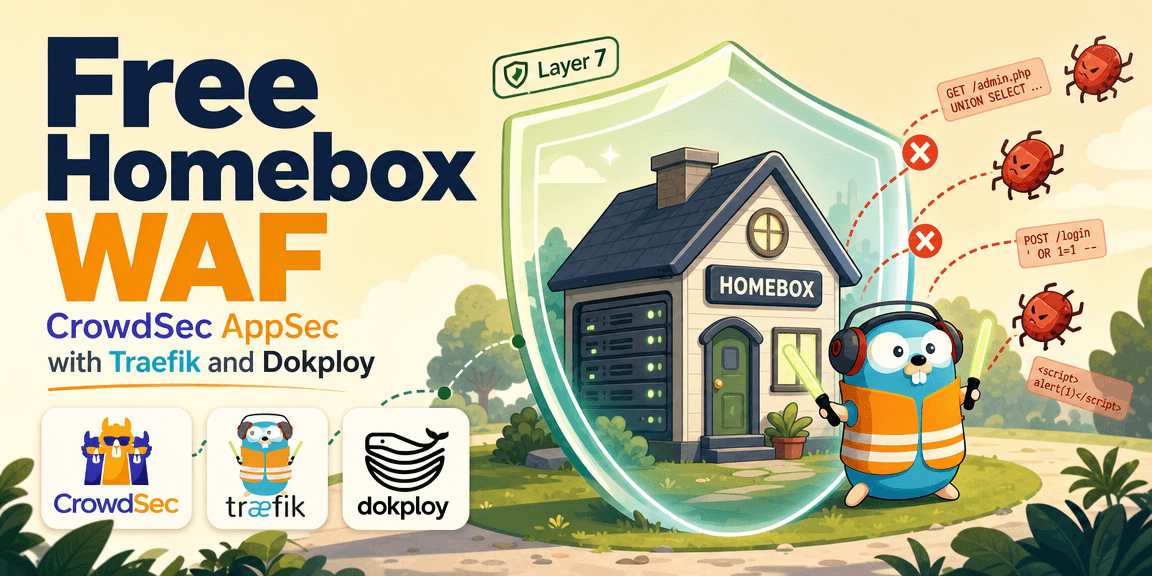
Adding a Free WAF to My Homebox: CrowdSec AppSec Tutorial ft. Traefik and Dokploy
A complete guide on how I protect my Homebox applications with CrowdSec's AppSec WAF, a Traefik plugin, and Dokploy.

Architecting AI Gateway Budgets: Virtual Keys, Provider Keys, and Distributed Quota Enforcement
A blueprint for designing a global AI quota system. How to separate request execution from budget truth under high concurrency.

LiteLLM vs. Bifrost: Choosing an AI Gateway
A practical comparison of LiteLLM's Python-based distributed state and Bifrost's Go-based raw performance, to help you choose an AI gateway.
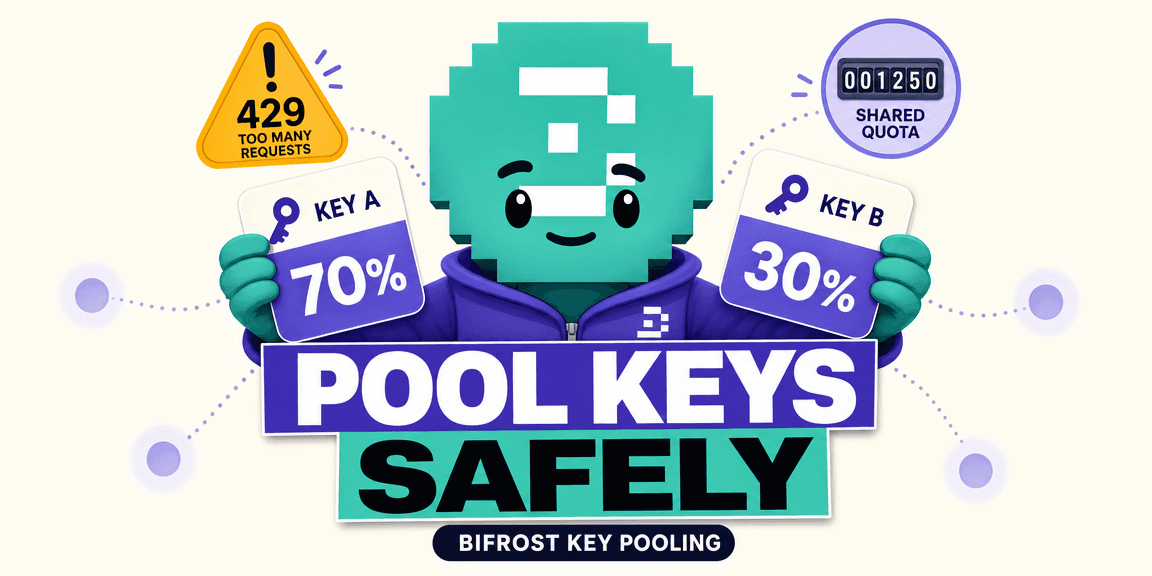
Pooling API Keys with Bifrost
A practical guide to configuring API key pooling in Bifrost, and how to safely scale it across multiple nodes by externalizing your rate limits.
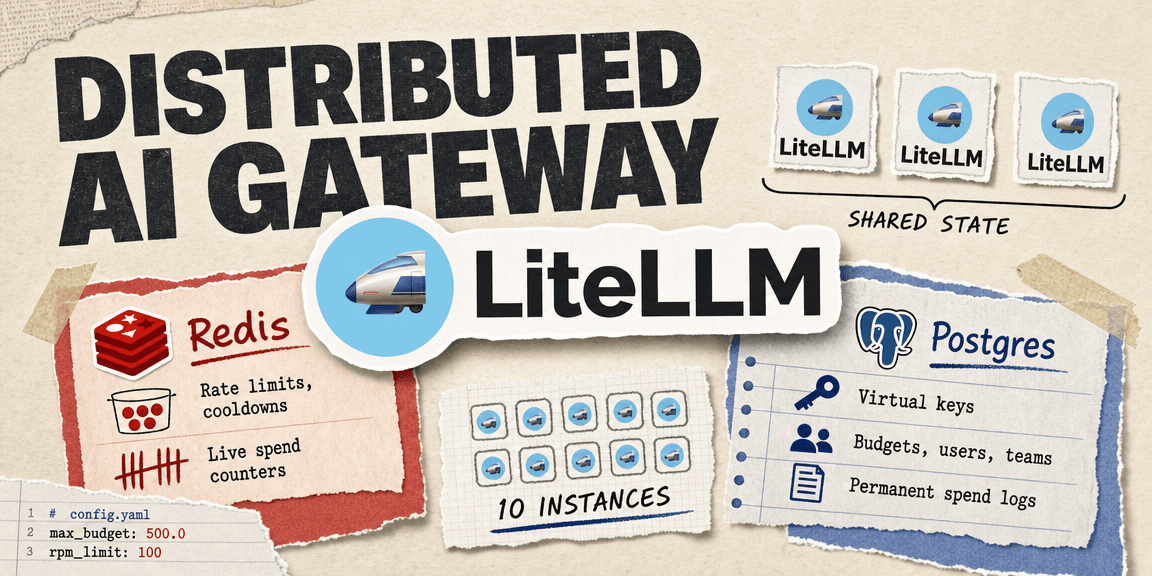
LiteLLM as a Distributed AI Gateway
How to pool API keys and multiple backends under a single model id to increase your rate limit capacity, and how LiteLLM keeps that pooling consistent across multiple nodes.

Scaling AI Gateways: How to Pool API Keys and Survive Rate Limits
Learn how to overcome strict LLM provider rate limits by pooling API keys, and explore the 3-layer architecture required for distributed token tracking.